 ×
×

Laser tech basically works by creating super focused beams of light that can cut through materials, drill holes, or take measurements with amazing accuracy. The process starts when electrons inside certain materials become excited and emit light energy. Since the early days, lasers have come a long way. They're now much more precise, work better overall, and can do all sorts of things we never imagined possible back then. Because of these improvements, industries where even tiny errors matter a lot, such as aerospace manufacturing, rely heavily on laser systems for critical operations.
Lasers started out as simple lab instruments back in the day but now play a major role across many industries, especially in aerospace. The aerospace field relies heavily on laser technology these days. As they've developed over time, lasers became vital for things like cutting through tough materials with pinpoint accuracy needed to build spacecraft and aircraft parts correctly. They're also used extensively for inspecting materials during production processes, something absolutely necessary for keeping safety standards high in aviation. Looking at how far this tech has come shows why lasers remain so important in today's aerospace manufacturing landscape, where even small improvements can mean big differences in performance and reliability.
The aerospace sector is seeing major changes thanks to laser tech that brings down manufacturing costs in ways traditional methods just cant match. When companies adopt laser systems, they typically see their bottom line improve because these machines cut down on wasted materials while speeding up production times. Take aircraft component fabrication for instance where lasers can precisely cut titanium alloys without generating excessive heat damage that would require costly rework. The savings from reduced material waste alone often pay for the initial investment within months. What makes this even better for manufacturers is that those savings aren't just pocket change either they free up capital for research into next generation materials or allow competitive pricing advantages that keep customers coming back when budget constraints tighten.
Statistics underscore the cost-saving benefits of laser technology in the aerospace sector. A recent study revealed that aerospace firms utilizing laser technology reported a 15% reduction in manufacturing costs compared to traditional methods. Additionally, these companies experienced a 20% increase in production efficiency, highlighting the technology's impact on operational workflows.
Getting things right matters a lot in aerospace manufacturing, and lasers really shine when it comes to precision work and cutting down on mistakes during production. When we talk about aircraft parts, tiny measurement errors can lead to big problems down the road. Think about turbine blades or fuel system components where fractions of a millimeter make all the difference between safe operation and catastrophic failure. Industry professionals who've worked on actual aircraft assembly lines will tell anyone that laser tech brings both accuracy and consistency to the table. Components just don't pass muster anymore unless they hit those exact specifications, which means better products flying overhead and fewer headaches for maintenance crews dealing with substandard parts.
In aerospace manufacturing, laser tech has become absolutely essential for tasks like cutting and welding. These powerful beams slice through materials ranging from aluminum alloys to tough carbon and stainless steels with incredible accuracy. When building aircraft components, getting these measurements right matters a lot because even tiny mistakes can spell big trouble for safety down the line. Take SpaceX as an example they rely heavily on laser systems to craft their rocket parts within extremely tight specifications. This attention to detail isn't just about meeting standards it literally makes the difference between successful launches and catastrophic failures when those spacecraft reach orbit.
Laser marking and engraving play a big role in identifying parts, building brand recognition, and customizing items across the aerospace industry. With this tech, manufacturers get permanent labels that stay readable even under tough conditions something regulators really care about when it comes to tracking components through their lifecycle. Both NASA and various branches of the US military rely heavily on laser marking systems because their gear needs to withstand extreme environments while still being clearly marked. Every single part has to be tracked back to its source, especially if there's ever an inspection by authorities or an investigation after some kind of incident happens in flight operations.
Looking at real world examples from top aerospace firms shows just how effective laser tech has become in manufacturing. Take the FC Accu-Cut Fiber Laser Metal Cutter for example. Companies working with this machine report much better accuracy when cutting materials, which makes all the difference in complex parts production. Boss Laser is one shop that's been running these systems for years now. What we see here is proof that modern laser solutions really do stand up to the tough requirements set by both aerospace and defense industries. These cutting tools help ensure everything works right on missions where failure isn't an option, whether it's satellite components or aircraft structural parts.
The adoption of laser tech has made a real difference in cutting down on wasted materials within aerospace manufacturing. These machines allow for much more accurate cuts than older techniques, which typically left behind lots of unusable scraps because they cut wider areas than needed. Some research shows that switching to laser cutting can slash scrap rates by around 15 percent. That might not sound huge at first glance, but when we're talking about expensive metals such as titanium and aluminum commonly used in aircraft construction, even small reductions translate into major cost savings over time for manufacturers.
Laser tech makes aerospace parts last longer because it allows for really precise cutting and welding. The way these techniques strengthen the structure matters a lot when we're talking about parts used in aircraft engines or landing gear systems where failure isn't an option. According to Iain McKinnie from Aerospace & Defense magazine, laser work is cleaner and more exact than traditional methods so components stand up better against things like corrosion and extreme temperatures over time. When parts can handle rougher treatment without breaking down, they stay functional longer. This means fewer replacements needed during maintenance cycles, which translates into safer flights and overall more dependable aircraft performance across different operational environments.
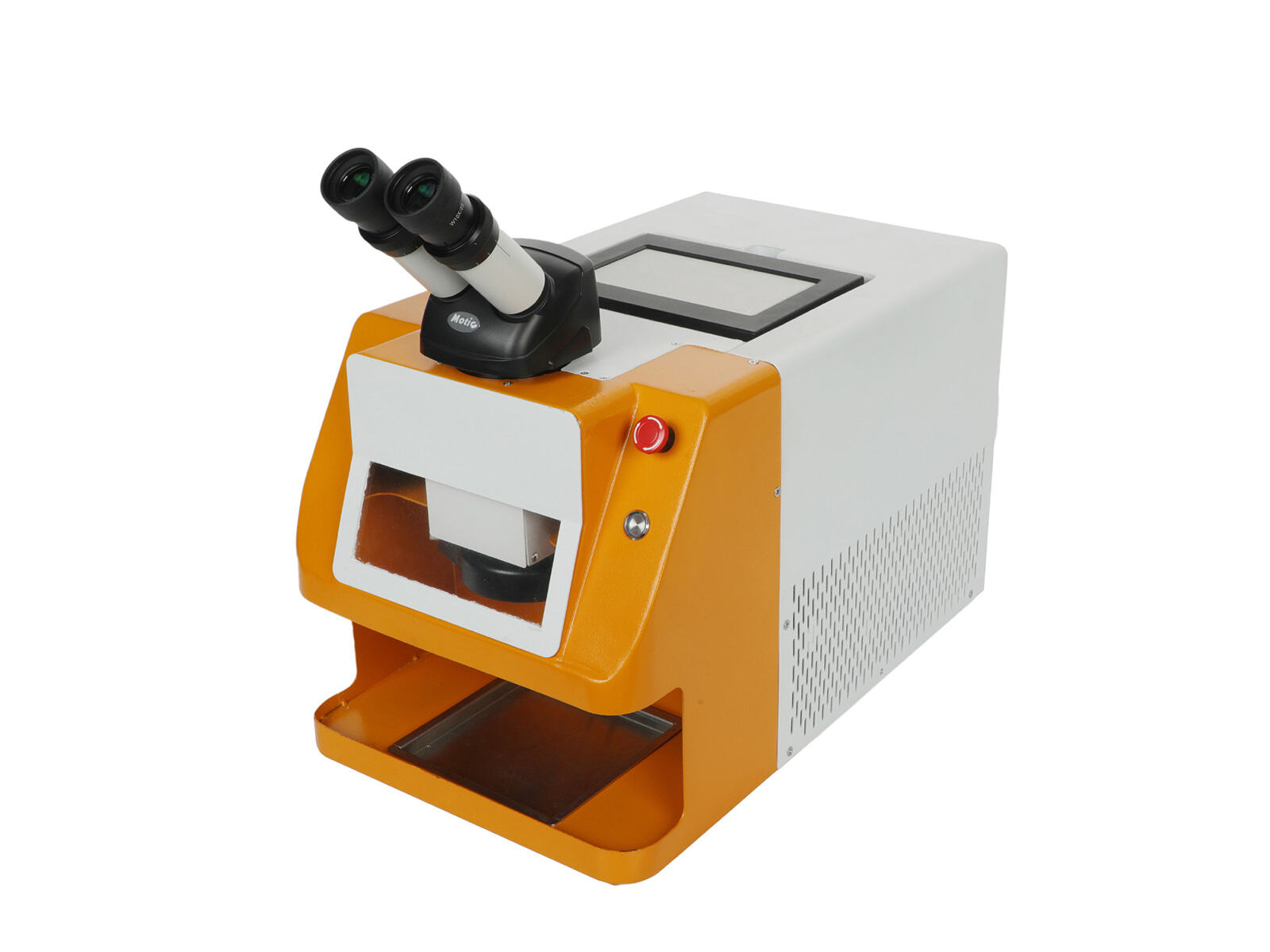
The SL495 Old Version Micro Jewelry Welding Machine represents a real breakthrough in laser tech, especially when it comes to work in the aerospace sector. Built for extreme precision and speed, this device handles delicate welding jobs with remarkable accuracy, which makes all the difference in complex manufacturing situations where even tiny mistakes can be costly. When applied to aerospace components, these machines significantly cut down on welding errors and help maintain component integrity throughout production runs. Many manufacturers have reported fewer rejects and better overall quality control since implementing this type of equipment in their workflow.
Looking at what the SL495 brings to the table, there's no denying it packs some serious punch when it comes to specs. The laser has a power range from 80 watts all the way up to 100 watts, operates at a wavelength of 1064 nanometers, and delivers pulses with energy levels between 80 joules and 100 joules. When we talk about welding capabilities, the frequency stays below 30 hertz while the pulse width can be tweaked anywhere from 0.1 milliseconds to 20 milliseconds. What makes this equipment stand out is how versatile it becomes for different materials, allowing operators fine grain control over those critical welding settings. Whether working with metals or other substances, the SL495 gives manufacturers real flexibility in their production processes.
The SL495 finds its place in aerospace work where welding needs to be just right. What makes this machine stand out is how it can change the spot size from 0.1 to 3.0mm, which means even the most fragile materials get welded properly without messing up their strength. Compared to old school welding techniques, the SL495 cuts down on heat damage and makes those welds last longer. That's why so many shops in the aerospace business have switched to it. The difference in quality speaks for itself when looking at finished products.
Laser tech in aerospace is going through some pretty exciting changes right now. Take laser propulsion for instance, something that might completely change how we build and operate spacecraft. The idea here is simple enough really – focus laser energy to push spacecraft forward instead of relying on those heavy chemical fuels. This approach could cut down on launch expenses while letting us carry bigger payloads into orbit. As researchers continue working on these concepts, we may see a whole new era of aerospace manufacturing emerge, one where space missions become both greener and cheaper to run than ever before.
We're seeing a real surge in interest around laser tech these days, according to industry watchers who expect big money to start flowing into this space over the next few years. For the aerospace industry specifically, lasers are changing the game across multiple fronts. Manufacturers are finding they can achieve incredible precision when working with materials, while processing techniques have gotten much safer and more efficient. Companies are looking at everything from component fabrication to surface treatments through a laser lens now. Looking ahead, it seems pretty clear that aerospace firms will keep pouring resources into developing better laser solutions. After all, anyone involved in aircraft production knows how critical even small improvements in accuracy and reliability can be for both cost savings and passenger safety.
Research efforts across the globe are driving forward improvements in laser technology for aerospace. Many universities and labs have been working hard on different aspects of how lasers can be used in aircraft manufacturing. Take for example recent work focused on better ways to weld materials together using lasers, or innovative approaches to inspecting components without damaging them. These kinds of projects show just how flexible laser tech really is when applied to aviation needs. Academics and scientists continue to experiment with various applications, constantly looking for new ways to make planes safer, lighter, and more efficient through their laser research programs.
Laser technology is pivotal in transforming aerospace manufacturing by enhancing efficiency and quality. As this technology continues to evolve, it promises to innovate the industry further, solidifying its essential role in future aerospace advancements.
Laser technology is used for precision cutting, welding, marking, and engraving in the aerospace industry. These applications ensure accurate manufacturing, compliance with standards, and traceability of components.
Laser technology reduces operational costs, increases production efficiency, and enhances precision in manufacturing processes. It also minimizes material waste and improves the durability of components.
The future of laser technology in aerospace includes advancements such as laser propulsion for spacecraft, which could lead to more sustainable and cost-effective space exploration, along with ongoing research aimed at enhancing manufacturing and inspection processes.